After her first year of graduation, my daughter had to complete a compulsory 150-hour Developmental Activity Program (DAP). She was thrilled; “Mai, it’s like my first real job, even if I am not being paid!” she had said, her eyes shining with excitement as she packed her stuff the night before. I still remember her first two days vividly. At around 7pm, the front door would open with a soft creak, and she would drag herself inside; hair messy, shoulders drooping, her kurta smelling faintly of dust and the afternoon sun. Before I could even call her to dinner, she was already asleep. The NGO she had joined was a shelter home for women who had been thrown out of their husband’s houses, women who had grown up without families, women who had survived violence, rape, abandonment, and every unimaginable cruelty a human could endure. The place was not fancy; the air always carried a mix of warm dal, disinfectant, and the soft hum of ceiling fans fighting the heat. But it was safe. It was alive. And it was trying to rebuild the pieces of these women’s lives. The NGO ensured that each woman had food, shelter, therapy, and education. Some learned tailoring, some studied computers, some discovered the courage to speak again. A few, after becoming independent, chose to stay back and help the next set of women who arrived – wounded, frightened, but hoping. For my daughter, this was her first time seeing this side of life. And it was changing her. By the third week, there was a heaviness in her footsteps when she entered the house. She no longer spoke lightly. Her eyes had seen too much. One night, she burst out at dinner, her voice trembling; “How can people be so cruel, Mai? How dare those men treat women like that? This world it’s just horrible! It’s like nobody respects women at all!” I looked at her face, red, her breathing uneven, anger and sadness mixing in her eyes. My husband placed a gentle hand on her shoulder and said softly, “Baby, we hear you. We really do.” I nodded and added, “What you are feeling is real. It’s valid. It’s hard to witness suffering and not carry it. “But sweetheart, the good thing is that you are part of an NGO that’s doing something meaningful for them, isn’t it?” But she wasn’t ready to listen yet. “How am I supposed to unsee all this? These women have lost everything!” she cried, pushing her chair back. She had started empathizing deeply which was beautiful but slowly, without realizing, she was moving into sympathy, then into emotional burden, and finally into anger at the world. She was absorbing stories that weren’t hers and carrying them like her own wounds. We began having arguments around the 3rd or 4th week. Her voice carried frustration, hurt, helplessness. She was angry at the world, and we could see it, how shaken she was, how emotionally over-stimulated by this new lens through which she was seeing society. Yet, as parents, we chose to listen before advising nothing. Because this wasn’t just about the stories she heard, it was about her discovering her power, her boundaries, and her ability to witness pain without becoming a victim of it herself.
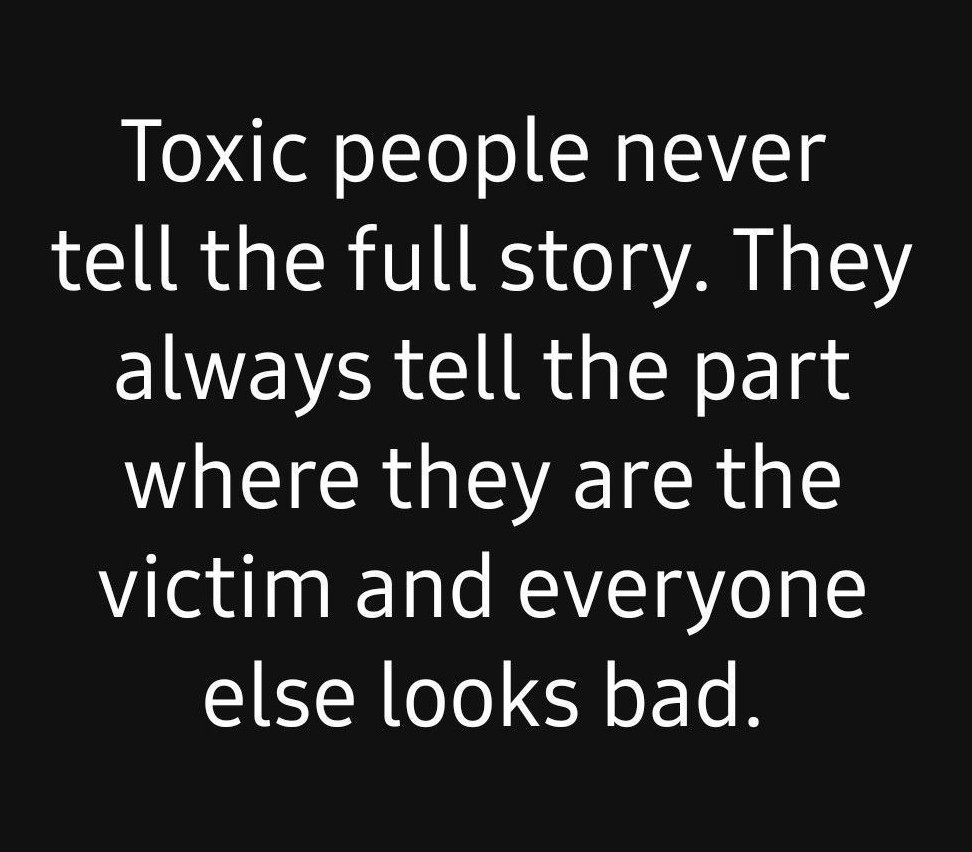
Another incident from recent times reminded me again of how easily we slip into a victim mindset without realizing it. It involved an acquaintance not a close friend, not someone I shared a deep history with, just a familiar face from the community. I remember approaching her for support with an event I was organizing. She was resourceful I had heard, and when I asked, she lit up instantly. “Oh yes, of course! I would love to help. This is exciting!” she had said, her voice bubbling with enthusiasm. I didn’t want her to feel any pressure, so I paid her for the resources she provided and clearly told her, “Whatever role you want to take after this, let it come from your choice; no obligation at all.” She smiled and replied, “I am very passionate about this brand too. I would really like to contribute more.” I felt a warm sense of connection. Ah, someone like me, I thought. Someone who loves giving, someone who contributes without expecting anything in return. It felt refreshing. The event went beautifully smoothly, happy participants, an energy that fills your chest with pride and gratitude. But right after it was all over, something shifted. Her responses turned cold. My messages stayed not responded. My calls rang endlessly. I found myself staring at my phone wondering, What went wrong? Why isn’t she talking to me like before? A few days later, I was scrolling through WhatsApp when her status popped up quotes about ungrateful people, about fake faces, about being “used.” Words dipped in bitterness. Words that were clearly not random. My chest tightened. Was she talking about me? I was shocked. Hence, I reached out again because I really wanted to take care of her. “I sense something is off. Let’s talk it out. We just created a wonderful event together, this doesn’t have to be the end. Let’s build more together.” I meant every word. I genuinely wanted to clear the air, understand her feelings, celebrate our success, and move forward as a team. But it was like sending messages into a wall. No reply. A silent barrier All that generous energy she had in the beginning – gone. Replaced by distance, assumptions, and a story she had built in her mind without checking or questioning the other side. I found myself wondering, Why would someone choose to slip into a victim role when nothing actually went wrong? Of course, that was just my perception. But I couldn’t help feeling that she was giving away her power, choosing hurt, choosing isolation where connection was possible, choosing a story that made her small when she could have stood tall with pride for the success we had created. But she stayed in denial, quietly shutting the door to any way forward.
Many of us go through such situations, don’t we? And most of the time, slipping into a victim mindset isn’t a conscious choice we make. It happens quietly like a shadow that grows longer without us noticing. We tell ourselves stories: “They used me.” “They don’t value me.” “I did so much, and no one cared.” And before we even realize it, we have handed over our inner power to circumstances, to assumptions, to emotions that were never fully explored. The truth is, a victim mindset often comes from unexpressed expectations, unclear boundaries, or suppressed feelings that finally burst out in distorted ways. It doesn’t make anyone weak or wrong, it simply shows that we haven’t learned yet how to travel through our emotional world with awareness. I have learned this over and over again through friendships, work relationships, even through my daughter’s experience at the NGO – When we don’t say what we feel, when we don’t ask for what we need, when we expect others to read our minds, we create a trap for ourselves. And in that trap, the world begins to look unfair, people begin to look insensitive, and life begins to feel heavy.
But here is the liberating part – just as slipping into a victim mindset is unconscious, stepping out of it is a conscious choice. A choice we can make at any moment. A choice that instantly restores our strength. It begins with simple, honest self-reflection: What story am I telling myself? Is it true, or is it just my interpretation? Have I communicated my needs, or am I assuming others should guess them? Am I choosing hurt or choosing clarity? Freedom from being a victim does not come from changing people. It comes from changing the narrative we attach to their actions. It comes from reclaiming the power with our inner story. It comes from choosing responsibility over resentment. Asking instead of assuming. Speak instead of suppressing. Trust your voice instead of doubting your worth. When we reclaim our power, something magical happens. The world doesn’t change, we do. And when we change, the world mirrors it back to us. This chapter, these experiences, my daughter’s awakening, the acquaintance’s silence, my own reflections, all reminded me of one truth: Life will always give us situations. But we decide the meaning. We decide the direction. We decide whether we shrink or rise. And rising begins the moment we stop saying, “Why me?” and start saying, “What now?” I invite you; gently and firmly to step back into your power. Not every situation in life will be pleasant, but it is often the uncomfortable ones that shape us the most. They polish us, strengthen us, and nudge us toward who we are meant to become so trust the process. And remember, always: Happiness is found in progression, in taking even the smallest step forward.